What’s Hot This Month
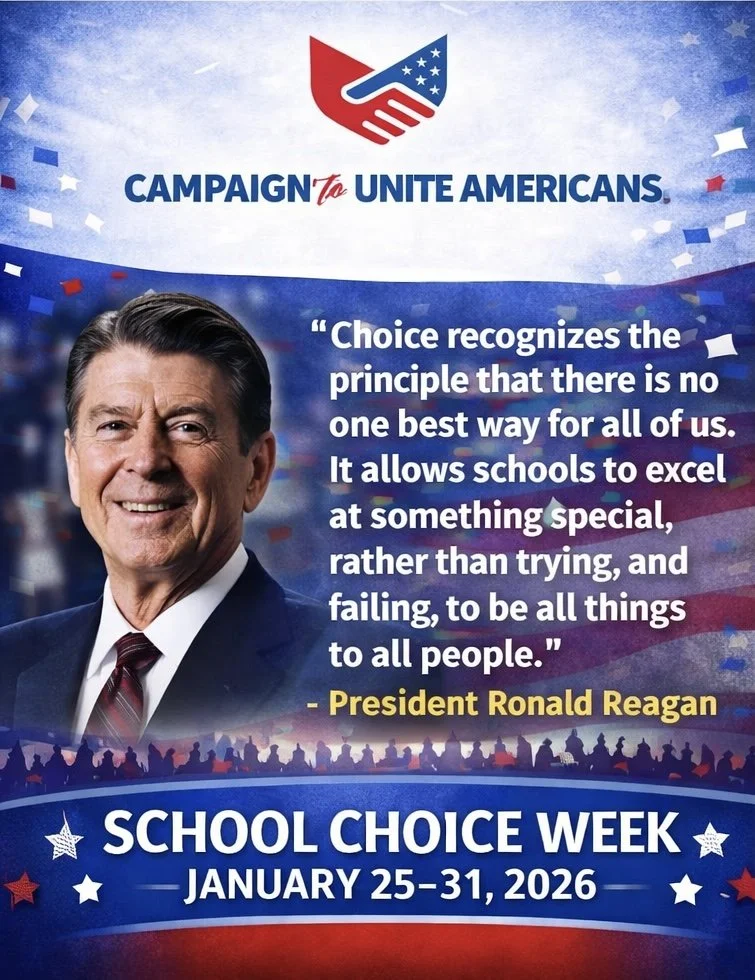
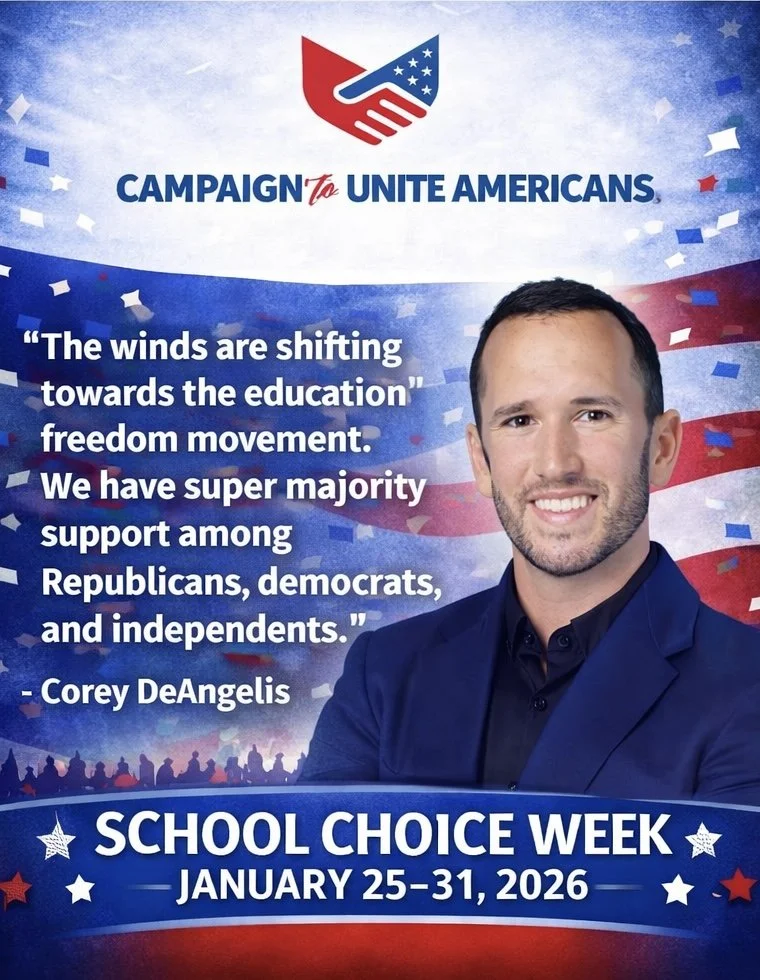
✨January 25-31, 2026✨
School Choice Week
School choice begins with a simple truth: children are different, and education should reflect that reality. No single system, no matter how well intentioned, can meet the needs of every student. School choice exists to give families access to educational options that fit their children’s learning styles, values, and circumstances, whether that’s a traditional public school, a charter, private school, homeschool, or another alternative.
Over the past decade, the school choice movement has grown rapidly across the United States. Families are asking for flexibility, accountability, and a real voice in their children’s education. In response, states across the country have expanded education savings accounts, scholarship programs, and charter options, reflecting a growing recognition that when families have choices, schools are more responsive and students are better served.
School choice has become an 80/20 issue because it speaks to shared values that cut across party lines. Most Americans agree that parents should play a meaningful role in educational decisions and that students deserve opportunities to thrive, regardless of ZIP code or income. At its core, school choice isn’t about tearing down public education—it’s about strengthening the entire education landscape by putting students first and empowering families.
During School Choice Week, we’re highlighting stories, research, and conversations that explore how choice expands opportunity, restores trust, and creates systems that work for families—not the other way around. It’s a moment to step back from labels and focus on what unites us: helping every child succeed.
Celebrate School Choice Week with us.
Because when families have options, students have opportunity.
#UniteforSchoolChoice

Breaking School Choice News
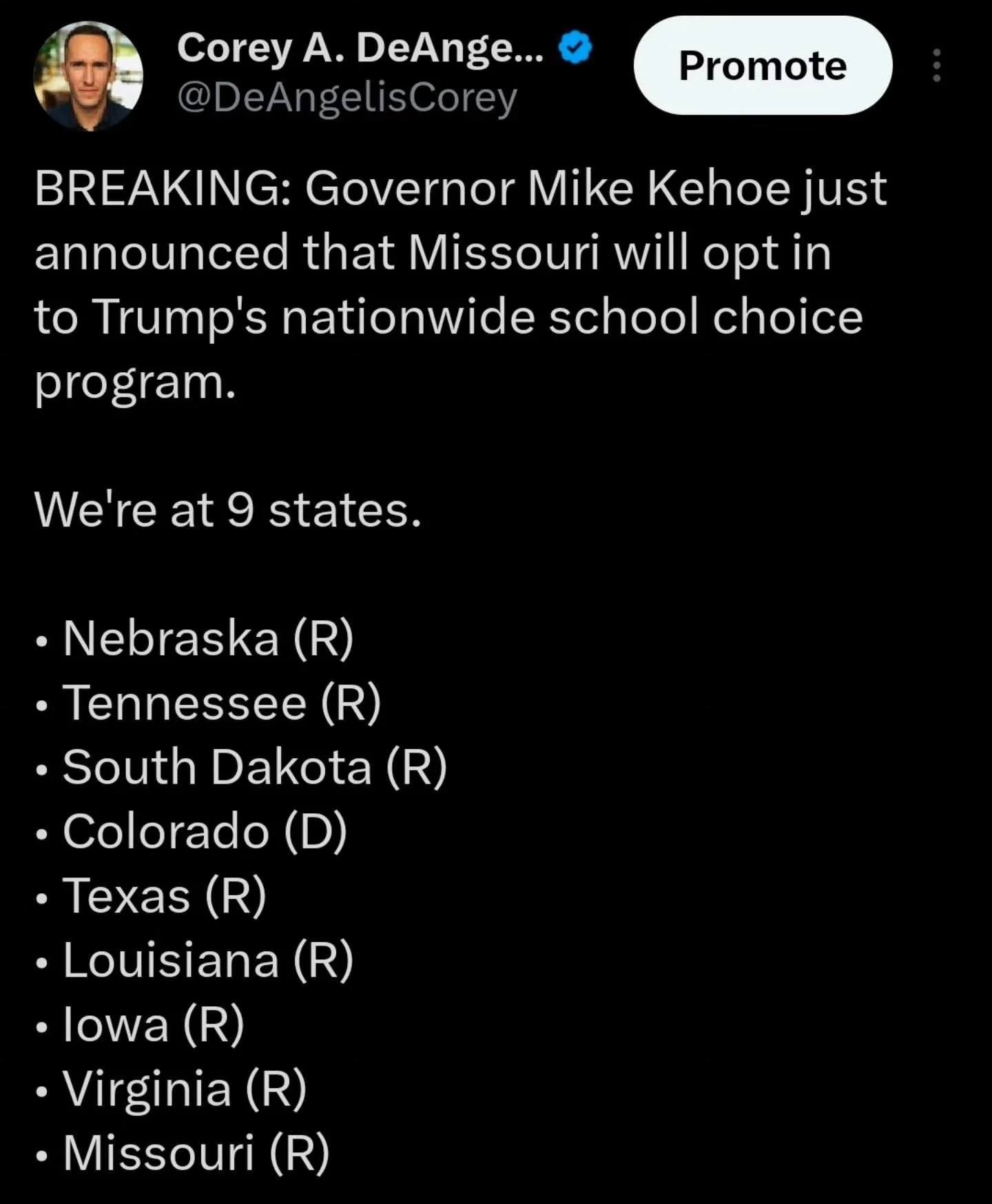
📌 National School Choice Program Passed in 2025
A major part of Trump’s school choice agenda became law as part of the Republican-led “One Big, Beautiful Bill” in July 2025. It includes a federal tax-credit scholarship program, the first of its kind in the U.S., intended to expand school options at a national level.
Key features of that program:
Federal tax credits: Taxpayers can receive a 100% federal tax credit (up to a set limit) for donations they make to nonprofit Scholarship Granting Organizations (SGOs). These organizations then provide scholarships to families to help pay for private school tuition and other education-related costs.
Education expenses covered: Scholarships can be used for private school tuition, tutoring, fees, technology, transportation, and potentially even homeschooling costs.
Income eligibility: The program sets income limits for eligibility (e.g., families up to 300% of local median income).
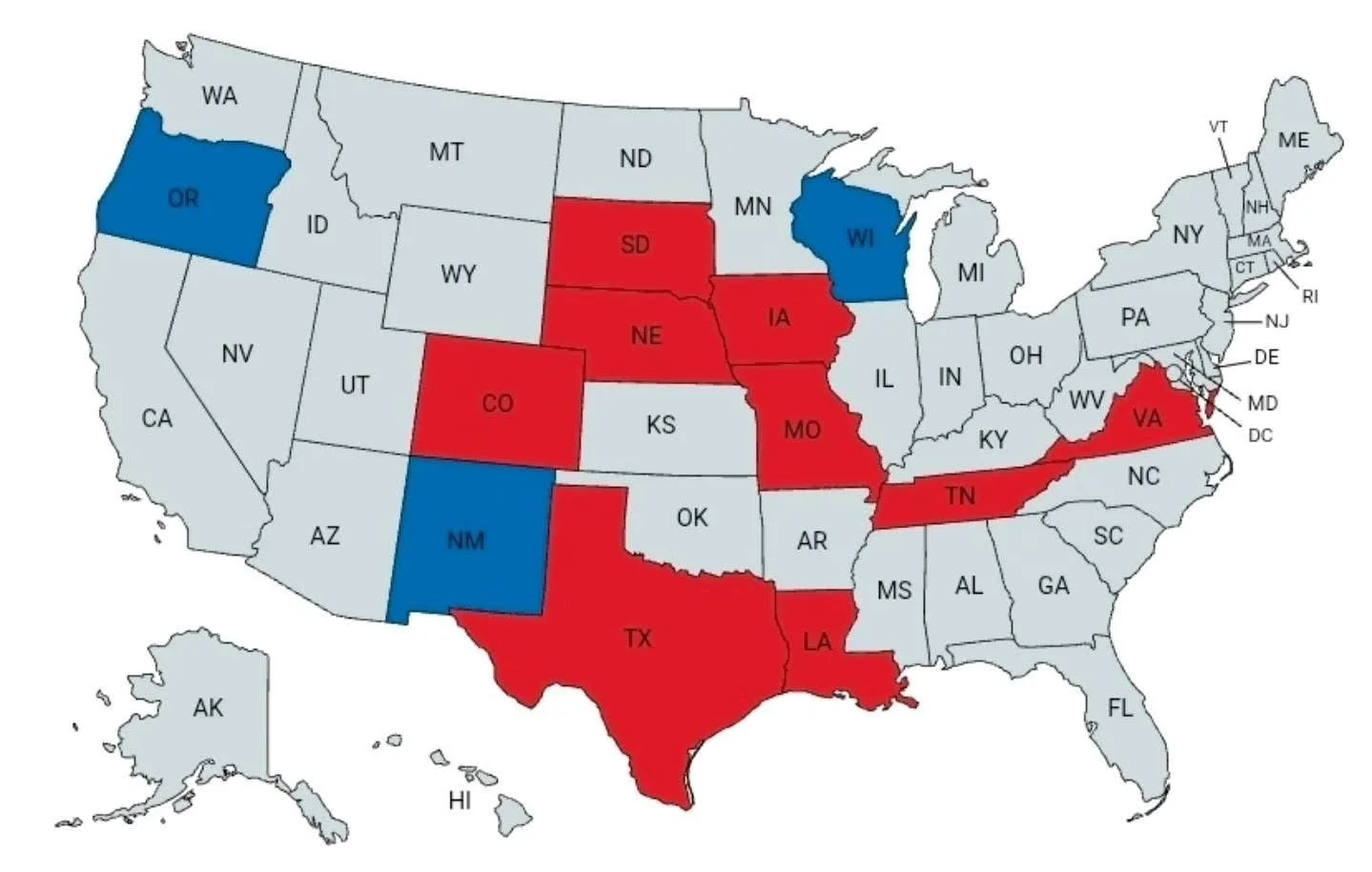
State opt-in/opt-out: States can choose whether to participate; participation decisions will determine whether families in a given state can use the program.
Broader Policy Direction
In addition to the tax-credit program, Trump’s administration has taken executive actions to broaden federal support for school choice:
A 2025 executive order directed federal agencies to help states expand K-12 scholarship programs and to prioritize school choice within discretionary federal education grants.
The policy emphasizes returning more control over education to families and states, and supporting alternatives such as private, charter, or faith-based schools.

School Choice Partner Content